Glazed Brakes: What Causes Them and How to Fix a Hardened Pad
Top Level Cars
9 min read
You are crawling down the H-1 toward Pearl City in bumper-to-bumper traffic, foot resting on the brake, when you notice a high-pitched squeal every time you slow down. The pedal takes more effort than usual, and the car seems to coast a little too far before it stops. Most drivers shrug it off as “old brakes,” but that combination of shiny pads and weak stopping power often points to something specific and fixable. Catching it early can be the difference between a simple inspection and a pricey rotor replacement, so it is worth understanding what is really going on under your wheels.
What Are Glazed Brakes? A Clear Definition
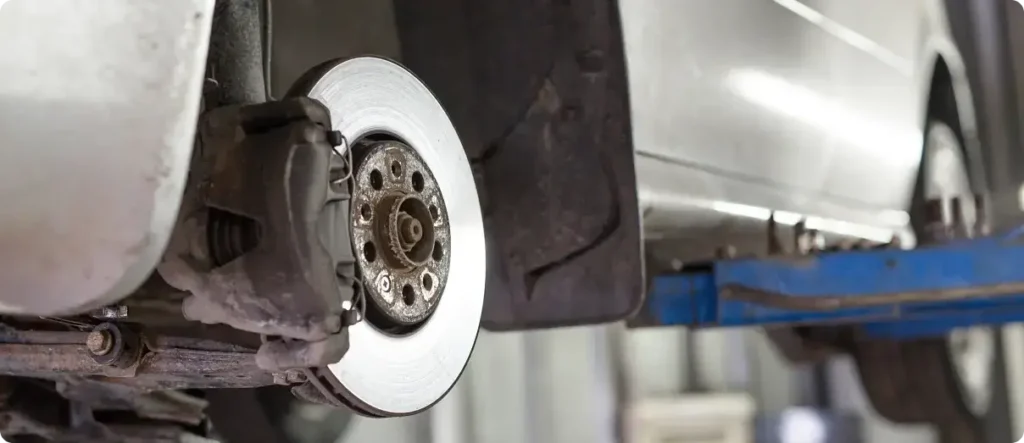
Glazed brakes are brake pads, and sometimes rotors, whose surface has hardened into a smooth, shiny, almost mirror-like layer after being exposed to too much heat, causing them to lose grip. Instead of biting into the rotor the way healthy friction material should, a glazed pad slides across it, so you press harder and stop slower.
This is different from normal wear. Ordinary brake pads thin out gradually over tens of thousands of miles as friction material rubs away, predictably and as expected. Glazing is a change in the surface itself: the pad may still have plenty of thickness left, but its face has been “cooked” smooth. In other words, what matters here is the condition of the surface touching your rotor rather than how much material sits behind it.
What Causes Brake Pads to Glaze?
Brake pads are held together by a resin binder that keeps the friction material bonded and consistent. When the brakes get too hot for too long, that binder starts to break down and, together with worn-off friction material, builds up into a hard film on the sliding surfaces instead of wearing away cleanly. A thin version of that film is perfectly normal and is part of how healthy brakes work, giving the pad and rotor a consistent surface to bite against. Trouble starts when the heat keeps feeding it and the film thickens into a smooth, glassy skin across the whole face of the pad. Three factors push pads over that line.
Riding the brakes in stop-and-go traffic
The most common cause is a driving habit almost everyone is guilty of: resting a foot on the brake pedal. Light, constant pressure in slow traffic keeps the pads dragging against the rotors without ever letting them cool down. Heat builds with nowhere to escape, and the surface slowly glazes over. One hard stop rarely does it. A thousand gentle ones with no breathing room in between will.
Worn-out or low-quality brake pads
Thin, heavily worn pads have less friction material to absorb and spread heat, so they reach glazing temperatures much faster than fresh ones. Bargain-bin pads make it worse. Cheaper friction compounds often handle heat poorly compared to quality organic, semi-metallic, or ceramic materials, so they harden and squeal sooner. Saving twenty dollars on pads can quietly cost you a rotor down the road.
Oahu factors: heat, hills, and heavy traffic
Living on Oahu adds its own pressure on your brakes. Long crawls on the H-1 and H-2, the grades on Kunia Road and the climb up through Pearl City Heights, and our year-round heat and humidity all work together to keep brake temperatures high. A brake system that might cool off nicely on a mild mainland morning stays hot here, mile after mile. If your daily route mixes traffic and grades, your pads simply get fewer chances to recover, which is prime territory for glazing.
Signs and Symptoms of Glazed Brakes
Glazing usually shows up as a handful of nagging clues:
A high-pitched squeal or squeak when you brake, even lightly
Needing noticeably more pedal effort for the same slowdown
Longer stopping distances than you remember
Vibration through the pedal or steering wheel while braking, where the buildup on the rotor is uneven
A vague, less confident feel, almost like the car is skating instead of gripping
If the buildup is uneven, you may also feel a shudder through the steering wheel, which usually traces back to the rotor surface rather than the pads themselves. Glazing that is worse on one side can also make the car pull to one side as you slow down.
Is It Safe to Keep Driving on Glazed Brakes?
The honest answer is that it is risky, but it is fixable, so there is no need to panic and no reason to wait either. A glazed pad genuinely grips less, and the heat that creates it works against you twice over. Friction material has a temperature window in which it performs best, and once brakes are pushed well beyond it, grip falls away sharply for as long as they stay hot. That is brake fade, and it clears once everything cools down. A glazed surface does not clear. The hardened layer is still sitting there on your next cold morning start, which is exactly why it is worth fixing rather than waiting out. Heat is also why old brake fluid makes everything worse, since moisture in the system lowers its boiling point just when you need the pedal most.
That matters even more here. A quick Windward-side downpour leaves the roads slick, and a glazed pad on a wet surface gives you far less margin than you would expect. You may not feel it on a calm drive to Waipahu, but you will feel it the one time you need to stop hard. If your brakes squeal, demand more effort, or take longer to bite, treat it as a reason to get them looked at soon rather than something to monitor for another month.
How to Fix Glazed Brakes: Deglazing vs. Replacement
Here is the reassuring part: plenty of glazed brakes can be sorted out without buying new pads. Mild, early glazing can sometimes be corrected, while advanced glazing calls for replacement. The catch is that you cannot reliably tell which is which by feel alone. It takes a proper look at both the pads and the rotors to make the right call.
Can you deglaze brake pads yourself?
You will find plenty of advice online about sanding the shiny layer off your pads with sandpaper. Scuffing the surface is a legitimate step, and shops do it too, but on its own it treats the symptom rather than the cause. Hand-sanding leaves an uneven surface, throws off friction dust you should not be breathing, and, most importantly, tells you nothing about the condition of your rotors. If the rotors are scored or heat-damaged, freshly scuffed pads will simply glaze again. At best it buys you time until someone looks at the whole system.
When full pad and rotor replacement is necessary
A professional fix starts with assessment. A technician measures the rotors and checks for scoring, hot spots, and warping, then decides whether they can be resurfaced or need replacing. New pads matched to your vehicle go on next, and, in a step that gets skipped far too often, the fresh set is properly bedded in so a healthy, even friction layer forms from the start. It is also the ideal moment to service the rest of the system, including a fluid flush if yours is overdue, since old fluid quietly undermines everything else you just fixed.
Preventing Glazed Brakes on Oahu Roads
A few simple habits keep your pads healthy for the long haul:
Keep your foot off the brake in traffic. Coast instead of dragging the pedal, and let the pads cool between stops.
Use engine braking on long descents. Coming down from Kunia or over the Pali, shift to a lower gear and let the engine slow you instead of leaning on the brakes the whole way.
Choose quality pads. Better friction material resists heat and glazing far longer than the cheapest option.
Get regular brake inspections, especially before busy travel and holiday-traffic seasons.
If your brakes are already squealing or feeling weak, do not wait for them to get worse. Top Level Cars’ team offers honest, professional brake system service right here in Waipahu, serving drivers across Pearl City and Kapolei too. Every job starts with a clear estimate so you know the real cost up front, with no hidden fees and no upsells you do not need. Be sure to ask about our 10% off labor for service members as well. Book your brake inspection today and get back to driving with confidence.
Frequently Asked Questions About Glazed Brakes
Can glazed brakes be fixed without replacing the pads?
Sometimes. Mild, early glazing can occasionally be corrected by a professional, but advanced glazing or damaged rotors usually calls for new pads. Only an inspection can tell you which situation you are in.
What does it mean when your brake pedal feels hard or the brakes feel slippery?
A pedal that suddenly goes hard and unassisted usually points to the vacuum booster or its check valve rather than the pads. With glazing the pedal travel feels normal, but you have to push noticeably harder for the same slowdown, and the car feels like it is sliding instead of gripping. Both are worth having checked.
Does squealing always mean my brakes are glazed?
No. Squealing can also come from wear indicators, dust, or moisture. Glazing is one common cause, but a technician should confirm it before you assume anything.
How much does it cost to fix glazed brakes in Hawaii?
It depends on whether you need pads only or pads and rotors, and on your specific vehicle. At Top Level Cars you get a clear estimate before any work begins, so there are no surprises.
Can Oahu’s heat and traffic make brake pads glaze faster?
Yes. Constant stop-and-go driving, long grades, and our year-round heat and humidity keep brakes hotter for longer, which speeds up glazing compared to cooler, free-flowing conditions.
Read what our satisfied customers have to say about our services.
Great experience. I brought my Prius in for a diagnostic on a dash board error light. Plus I knew that the rear bearings needed to be replaced.
Their attentive behavior was immediate as I scheduled my Monday morning shop visit and the owner responded on a Sunday to schedule.
Even though there was a diagnostic fee the amount was applied to the repair.
In and out in the time committed on the estimate. Clean, very clean facilities from to the waiting room and throughout the shop.
I will continue to use them for future Maintinance and repair’s.
Robert G.
I recently had my Honda serviced at Top Level Cars, and I couldn't be more pleased with the experience. From the moment I walked in, the staff was incredibly welcoming and professional. They took the time to listen to my concerns and provided a detailed explanation of the necessary repairs.
The quality of the work was outstanding. My Honda now runs smoother than ever, and I have complete confidence in the repairs they performed. The technicians clearly know their craft, and their attention to detail was evident in the final result.
What stood out the most was the transparency throughout the entire process. I was kept informed of the progress and costs at every step, ensuring there were no surprises when it came time to settle the bill. The prices were fair and competitive, especially considering the high level of service provided.
Overall, Top Level Cars exceeded my expectations. I highly recommend them to anyone in need of reliable and trustworthy auto service. I will definitely be returning for all my future car maintenance and repair needs.
Denis G.
First impressions: EXCELLENT! We have a Mercedes ML430 that needs some work on. Nick responded immediately and gave us a fair price, the best one we could find on the island. After checking, he recommended only one of the four repairs that others pushed for, and even that with no hurry whatsoever. In fact we felt so well treated by him that we didn’t mind doing his recommended work on our first visit, because we want the good service at TopLevel Cars recognized and paid for. We will definitely return!
Mark M.
If you have car trouble go to Top Level Cars and ask for Demetri! The service was incredible and the cost is the BEST on the island. He was able to take my car in and have it done the same day! He is super knowledgeable and was patient when explaining the work my car needed. I will 100% be bringing my car back for any future services.
Jennifer M.
Top Level Cars are true professionals when it comes to auto repair. I have a Mercedes CL550 that needed servicing. They took me in right away and did an excellent job. I recommend Top Level Cars to anyone who values outstanding service and fair prices. I will only trust Top Level Cars with my car repairs.
Gus N.
The Customer Service here is top notch! Shout out to a great team!! They were the first ones to get back to me and help me with my Tire issue. I have secured my appointment and will be back to have more services done.
Kristina J.
Top Level Cars provided an outstanding experience from start to finish. Their pricing was fair and transparent, exactly as advertised with no surprises. Communication was exceptional; they promptly answered all my questions and kept me informed throughout the process. The service was incredibly fast—I was in and out in no time. They made the entire process smooth and hassle-free. I highly recommend Top Level Cars to anyone looking for a reliable and trustworthy auto repair shop.


 Brakes